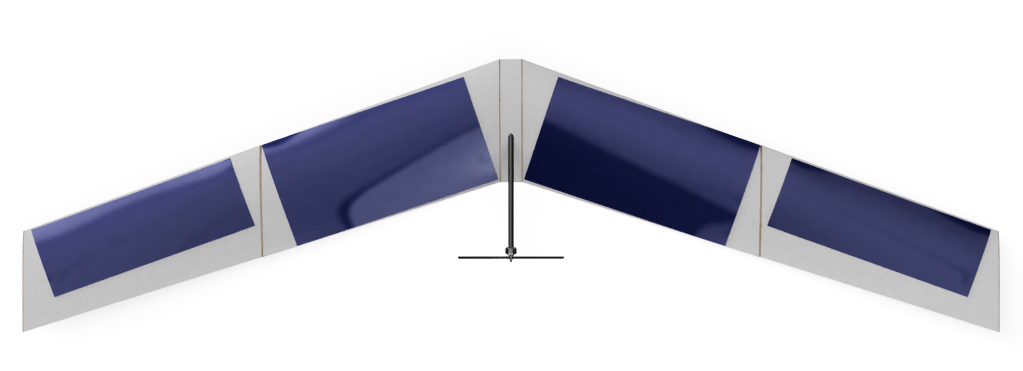
Halos I
The Prandtl Wing
Ever wonder how an albatross can fly for over 100 miles without flapping it’s wings? Our modern idea of the most efficient wing design has remained basically unchanged since Ludwig Prandtl first proposed the idea of elliptical spanload in 1921. Unknown to most, however, was another paper published by Prandtl in 1933, intended as an addendum to the first. In this paper, Prandtl detailed what he believed to be the true peak of efficient design – a wing that twisted as it moved outwards from the root. This theory remained largely unproven, and indeed only a few airplanes, mostly gliders, were flown using Prandtl wing designs. In 2016, however, NASA Armstrong Chief Scientist Albion Bowers published a paper based on hundreds of hours of subscale testing, proving the effectiveness of the Prandtl wing in creating proverse yaw, allowing for a truly tailless flying wing. Additionally, testing and L/D data confirmed a ~10% decrease in induced drag for comparatively weighted systems. Prandtl-derived propellers are yet to be studied in depth, but early tests suggest a marked improvement in efficiency, as well as a large reduction in noise.
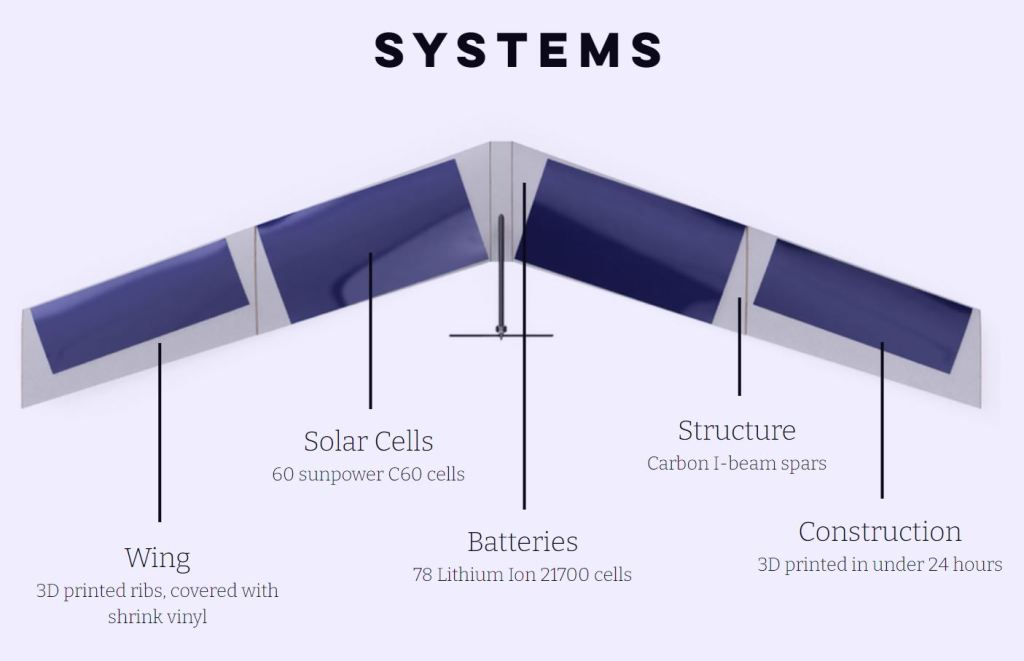
 Halos
Halos 